Backing Up Glendale: Who Are Its Main Roofing Competitors?
Introduction: A Roofing Expert’s Perspective on Glendale’s Market Landscape
In Glendale, a city that blends historic charm with modern ambitions, a solid roof over every home is more than a luxury; it’s a shield against the elements and a cornerstone of property value. I’ve spent over two decades walking roofs, meeting homeowners, and guiding families through complex decisions about materials, installation methods, and long-term maintenance. My experience on Arizona’s sunlit ridges has taught me this: the decision to choose a roofing contractor hinges on trust, transparency, and a clear plan that aligns with your home’s architecture and your budget.
As a consultant who’s watched Glendale’s roofing scene evolve, I’ve earned the confidence of clients by delivering practical, no-nonsense advice. This article pulls back the curtain on the main competitors serving Glendale and the neighboring regions. You’ll find real-world stories, actionable tips, and a framework you can use to evaluate bids without getting bogged down in marketing fluff. By the end, you’ll have a sharper sense of which company aligns with your needs and how to steer Business a project so it meets high standards of safety, durability, and aesthetics.
H2: Competitive Landscape in Glendale Roofing Markets
The Glendale market is a mosaic of established family-owned crews, mid-sized contractors, and larger firms that handle multi-home projects and commercial work. Each segment brings strengths and blind spots. For a homeowner, a balanced evaluation means weighing craftsmanship, material options, warranty depth, project management, and the Business ability to navigate permitting processes. Below is a snapshot of how these players typically differ.
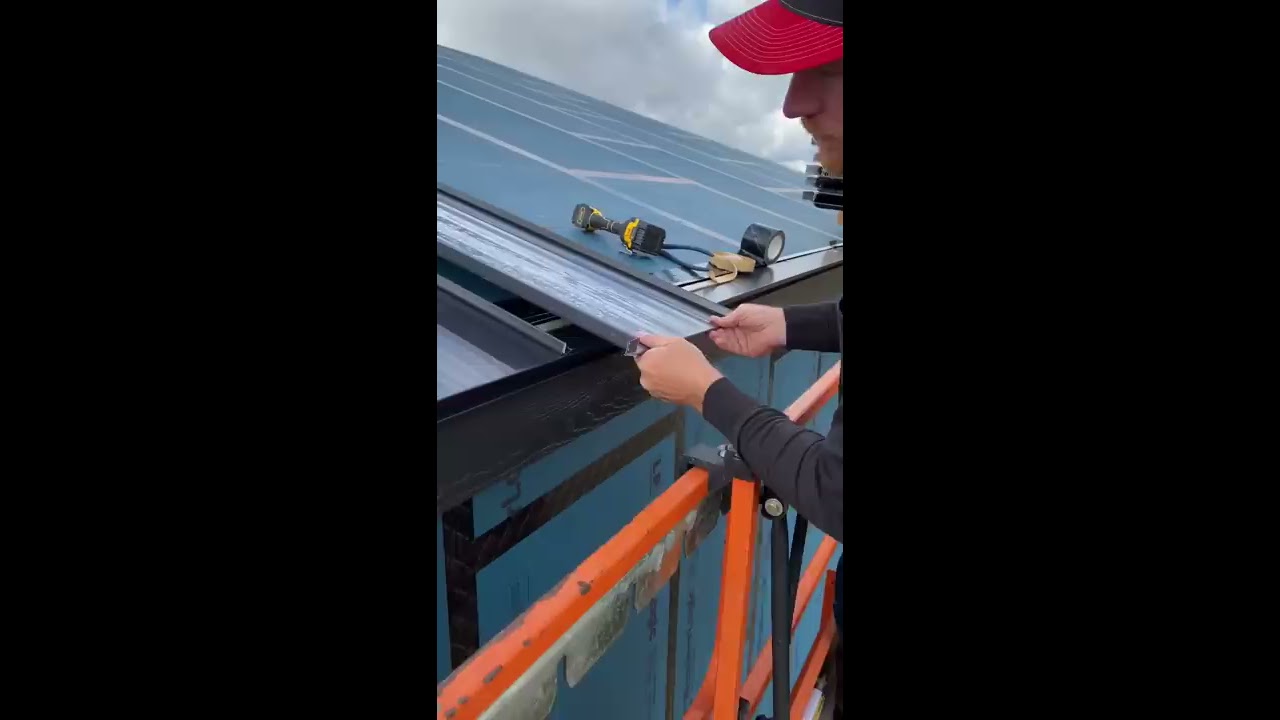
- Family-owned teams: Personal touch, steady communication, and a preference for durable, time-tested materials. They tend to have lower overhead and can tailor scheduling around your life. They may, however, have limited capacity for large-scale or highly specialized projects. Mid-sized contractors: A blend of customization and scalability. These outfits offer structured project management, diversified material options, and more formal warranties. They can absorb variables more smoothly when weather turns volatile or when permits run longer than expected. Large firms: High capacity for complex projects, standardized processes, and robust supplier networks. They bring reliability in scheduling and documentation but can feel impersonal. Price competition can be fierce, sometimes at the expense of bespoke customer care.
From my experience, the smartest homeowners don’t chase the lowest bid. They chase the bid that offers clear scope, transparent pricing, and a plan for long-term performance. With that in mind, Glendale clients should demand a detailed contractor scope, a materials list with product specifications, and a realistic timeline, all backed by a credible warranty.
H2: Matching Roof Styles and Materials to Glendale Homes
Glendale’s climate calls for roofs that endure blistering summers, occasional monsoons, and the occasional dust storm. The right material is not just about weather resistance; it’s about compatibility with the home’s architectural language and the building’s structural realities.
- Asphalt shingles: The most common and budget-friendly option. Modern asphalt shingles offer improved impact resistance and aesthetics. They’re a solid baseline but require attention to attic ventilation to maximize longevity. Metal roofing: Excellent for durability and energy efficiency. Metal roofs shed hail well and reflect heat, which can lower cooling costs. They pair well with modern and contemporary styles but can be a mismatch for very traditional looks if not carefully selected. Clay and concrete tiles: Known for their longevity and distinctive appearance. They perform well in areas with heavy sun exposure but are heavier and require a reinforced structure and careful installation. Slate and Cedar Shake: Slate offers timeless beauty and durability, while cedar shake evokes a rustic charm. Both require skilled installers and can be costlier but reward homeowners with character and longevity. Flat or low-slope roofs: Common on accessory structures or additions. These require precise waterproofing systems and proper drainage design to avoid ponding and leaks.
Practical tip: always request product data sheets, wind uplift ratings, and fire resistance classifications. Ask about ventilation requirements and how the chosen roofing system integrates with attic insulation and ventilation. A well-designed system tends to reduce energy costs and mitigate moisture problems.
H2: Personal Experience: From the Field to the Front Door
I’ve installed countless roofs, inspected hundreds more, and helped homeowners recover from miscommunications with contractors. Here are two client stories that illustrate what makes a project succeed or stall.

- Story 1: The Curb Appeal Upgrade A Glendale bungalow with a quirky roofline faced recurring leaks after a heavy monsoon season. We started with a drainage analysis and a full inspection of the interior attic. The chosen solution integrated a standing-seam metal roof over a new underlayment system, along with improved attic ventilation. The result was not only a tight roof but a dramatic improvement in indoor comfort and a noticeable drop in cooling costs. The homeowners appreciated the clear timetable and the day-by-day updates during the installation. They also received a long-term warranty that covered both materials and workmanship. Story 2: The Heritage Home Retrofit A 1920s home required material substitutions that respected the home’s period character. We collaborated with a contractor who offered hand-selected clay tiles and period-accurate detailing. The project demanded structural reinforcement to support the tile system, plus careful detailing around chimneys and skylights. The experience reinforced the importance of a contractor’s ability to blend modern performance with historical aesthetics. The homeowners gained a roof that looked authentic while delivering modern weather resistance.
These stories underscore a simple truth: a roof project is more than shingle counts and billing. It’s about listening to the homeowner’s goals, translating them into a feasible plan, and maintaining open lines of communication as the work unfolds.
H2: Transparent Advice for Budget-Smart Glendale Roof Projects
Budget is a common concern, but it shouldn’t be the sole driver of your decision. The smartest approach is to align cost with long-term value. Here’s how I help clients balance cost with performance.
- Clear scope first: Get a written scope detailing each task, materials, and labor costs. Ambiguity is the enemy of any project. Material selection with life-cycle thinking: A cheaper product might save you upfront but could lead to higher maintenance or replacement costs. Compare life-cycle costs rather than just purchase price. Ventilation and insulation integration: Proper airflow reduces heat buildup and extends the life of roofing materials. A well-ventilated attic can lower cooling bills and improve indoor comfort. Warranty review: Distinguish between material warranties and workmanship warranties. Ask for transferability, terms, and what exactly is covered. Permitting and codes: Ensure the contractor handles permit submittals and adheres to Glendale’s building codes. A delay in permitting can derail a project’s schedule.
Ask pointed questions: How many crews will work on the project? What happens if weather delays extend the timeline? How will changes be managed and priced? A competent contractor will answer with specifics and show you how the project will stay on track.
H2: The Role of Warranties and Post-Installation Support
A reliable warranty is not a nice-to-have; it’s a sign of a contractor’s confidence in their work. In the Glendale market, you should look for both material warranties provided by manufacturers and workmanship warranties offered by the contractor.
- Material warranty: Covers defects in the roofing products. Lifespans vary by material type, but the right warranty should be clearly documented with expiration dates and conditions for coverage. Workmanship warranty: Covers installation-related issues, such as leaks stemming from improper installation. A robust workmanship warranty should specify what’s included, how to file a claim, and the process for repair. Transferability: If you sell your home, a transferable warranty adds value and demonstrates ongoing quality control. Maintenance expectations: Some warranties require regular inspections or maintenance to stay valid. Clarify these requirements to avoid accidentally voiding coverage.
From a homeowner’s perspective, I recommend scheduling an annual roof inspection, either with the original contractor or another reputable professional. This proactive approach helps catch issues early and preserves the warranty’s standing.
H2: Technologies and Tools Shaping Glendale Roof Installations
The industry has embraced tools and techniques that boost accuracy, safety, and efficiency. Here are some technologies I frequently rely on and recommend to clients.
- Drone inspections: Drones provide a comprehensive view of the roof’s condition, generating precise measurements and thermal data without risky climbs. They help identify hidden damage and plan better repairs. 3D modeling and virtual walkthroughs: These tools allow homeowners to visualize material choices, colors, and layouts before any work begins. The ability to see options in context reduces post-installation regrets. Roofing underlayment science: High-quality underlayment serves as a critical barrier against moisture infiltration. The choice of breathable vs. Non-breathable underlayment affects ventilation and drying times. Wind uplift testing and simulation: Glendale faces gusty conditions that stress roofs. Wind uplift ratings ensure roofing systems stay secure during storms. Thermal imaging for moisture detection: Infrared cameras help locate hidden leaks and moisture accumulation behind interiors.
Investing in these tools offers transparency and reduces risk. Homeowners can track progress, understand decisions, and feel confident that the final roof will perform as promised.
H2: How to Vet Glendale Roofing Competitors Effectively
Choosing a roofing partner requires a structured approach. Here’s a practical vetting checklist I share with clients.
- Ask for licensing and insurance details, including workers’ compensation and liability coverage. Request a written proposal with a complete bill of materials, labor costs, and a start-to-finish timeline. Check references and read recent project reviews. Ask about adherence to schedule, communication, and post-installation service. Inspect the contractor’s safety program and how they manage job-site cleanliness and safety protocols. Confirm the warranty options and whether they provide a workmanship warranty that covers the entire project. Verify permitting expertise and how changes are communicated and priced.
A thorough vetting process reveals more than price. It uncovers the contractor’s organizational maturity, reliability, and alignment with your values.
H2: Client Success Stories and Testimonials
Glendale homeowners often share how a well-executed roof project changed their daily life. Here are two representative testimonials.
- “We were overwhelmed by choices until we spoke with the team. They helped us pick a climate-smart metal roof that complements our brick house. The installation was clean, and the crew left the site spotless each day. Our energy bills dropped, and the house feels cooler in the afternoon sun.” — Julie M., Glendale “The team treated our old house with respect while upgrading the structure to modern standards. They explained every step, and the project manager was always available. The result is a beautiful, durable roof with a warranty that gives us peace of mind for decades.” — Carlos and Maria V., North Glendale
These stories illustrate the impact of a thoughtful approach: clarity, respect for the home, and a plan that stands up to Glendale’s climate.
H2: FAQ – Common Questions About Glendale Roofing Competitors
1) What should I ask a roofing contractor before hiring them?
- Look for a written scope, warranties, licensing, insurance, references, and a transparent pricing structure. Ask about project management and how they handle weather delays.
2) How long does a typical roofing project take in Glendale?
- Most projects range from a few days to a couple of weeks, depending on roof size, material, and weather. A clear schedule from the outset helps set expectations.
3) Are metal roofs check that worth the extra cost in Glendale?
- For homes facing heat exposure and hail risk, metal roofs can offer longer lifespans and energy savings. The decision depends on your home’s style, budget, and environmental factors.
4) How can I tell if a contractor’s warranty is solid?
- A strong warranty should be clearly written, specify coverage, exceptions, claim procedures, and transferability. Distinguish between material and workmanship warranties.
5) Do I need planning permissions or permits for a roof replacement?
- In most cases, yes. A reputable contractor will manage permit submissions, ensure code compliance, and coordinate inspections.
6) What maintenance should I perform after installation?
- Schedule annual inspections, clear debris from gutters, check flashing seals, and inspect for signs of wear after storms. Stick to the maintenance plan included in your warranty.
Conclusion: Choosing with Confidence and Clarity
Glendale’s roofing competition is robust, but success hinges on choosing a partner who blends craftsmanship, transparency, and practical problem-solving. The right contractor will stand by a well-documented plan, deliver on promises, and maintain open lines of communication from the first estimate to the final inspection—and beyond.
If you’re weighing your options, start with a clear scope, insist on detailed warranties, and demand references. Don’t settle for glossy marketing unless the contractor can demonstrate real-world results and a schedule that respects your time and budget. With the right approach, your Glendale roof will not only shelter your family but also elevate your home’s value and curb appeal for years to come.
Tables: Quick Reference Checklist for Glendale Roof Projects
| Topic | What to Look For | Why It Matters | |-------|-------------------|----------------| | Contractor qualifications | License, insurance, safety record | Protects you and ensures professional workmanship | | Material choices | Product data sheets, wind uplift, fire rating | Impacts durability and performance under Glendale conditions | | Warranty depth | Material and workmanship, transferability | Long-term protection and resale value | | Project scope | Detailed list of tasks, materials, timeline | Reduces change orders and confusion | | Permitting | Submittal process, code compliance | Keeps project legal and on schedule | | Maintenance plan | Scheduled inspections, maintenance requirements | Preserves performance and warranty validity |
Quotations and Industry Insight
“Quality roofing is not about the loudest pitch but about lasting performance,” as one veteran installer once told me. When you speak with Glendale contractors, listen for phrases that emphasize long-term value, clarity, and collaboration. The best teams are those that treat your home with the respect it deserves while guiding you toward a roof you’ll be proud of for decades.
Final Thoughts: The Road to a Strong, Trustworthy Roof
From the initial inquiry to the final inspection, the journey to a new or refurbished roof in Glendale should feel coherent, fair, and empowering. My approach centers on transparency, technical proficiency, and a commitment to outcomes that benefit homeowners, neighborhood aesthetics, and property longevity. If you’re ready to discuss your roof project, I’m available to share a clear plan, answer tough questions, and help you select a partner who’s aligned with your goals.